Buy roulettepredictor.eu ?
We are moving the project
roulettepredictor.eu .
Are you interested in purchasing the domain
roulettepredictor.eu ?
domain@kv-gmbh.de · 0541-91531010
Buy roulettepredictor.eu ?
High or low pressure system?
A high-pressure system is characterized by sinking air, which leads to clear skies, calm weather, and stable atmospheric conditions. In contrast, a low-pressure system is associated with rising air, which results in cloudy skies, precipitation, and potentially stormy weather. The difference between the two systems lies in the direction of air movement and the resulting weather patterns they bring. **
High pressure or low pressure?
High pressure systems are associated with fair weather conditions, clear skies, and light winds. Low pressure systems, on the other hand, are associated with unsettled weather, cloudiness, and precipitation. High pressure generally brings stable and calm conditions, while low pressure often brings stormy and windy weather. **


Similar search terms for Low-pressure Rising
Top-Angebote
Products related to Low-pressure Rising:
-
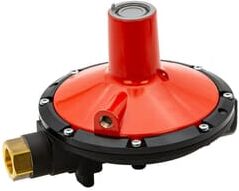
Clesse BP2403 37mbar Propane Low Pressure Regulator - 50 kg/hrThe Clesse BP2403 37mbar Propane Low Pressure Regulator, a high-performance solution engineered for efficiency and versatility across a wide range of applications. Offering an impressive 50kg/hr flow rate, this regulator is equipped with a Pressure Relief Valve (PRV) and is designed to function optimally at inlet pressures of 300mb, providing 40kg/h. High-Performance Standards: Manufactured and rigorously tested to meet EN16129 specifications, ensuring top-notch quality and reliability. High Capacity Flow Rates: Delivers exceptional flow rates of up to 50kg/hr, making it ideal for medium to large power installations including domestic metered networks, commercial, agricultural, and industrial applications. Versatile Pressure Management: Capable of supplying high-capacit135,54 £*Shipping: 0,00 £Secure redirect to the provider
-
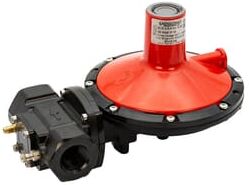
Clesse BP24F 37mbar Propane Low Pressure Regulator - 70 kg/hrThe Clesse BP24F 37mbar Propane Low Pressure Regulator, expertly engineered to manage propane delivery with a substantial flow rate of 70 kg/hr. This regulator is designed for environments requiring precise and stable gas pressure, making it an essential component for a wide range of applications. High Capacity Flow: Delivers a robust 70 kg/hr, suitable for high-demand applications, ensuring your system meets the needs of both commercial and industrial environments. Superior Pressure Control: Equipped with a direct-operated, spring-loaded mechanism and a 13.5mm adapted seat diameter, this regulator offers exceptional pressure management. Durable Construction: Features a highly resilient HNBR valve seat pad and a large reinforced diaphragm, enhancing the longevity and re281,94 £*Shipping: 0,00 £Secure redirect to the provider
-
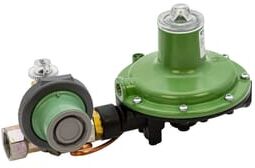
Clesse BP2303 UPSO/OPSO Propane Low Pressure Regulator 37mbar 30kg/hrThe Clesse BP2303 37mb UPSO-OPSO Low Pressure Propane Regulator. Delivering a powerful flow rate of 30kg/hr, this regulator is crafted to provide precise control and robust safety features, making it an essential component for various applications. With the model number 006836RB, it stands out for its user-friendly design and advanced safety mechanisms. Precision Pressure Management: Offers accurate pressure control to ensure your propane-powered appliances and systems operate smoothly and efficiently. Enhanced Safety Measures: Equipped with a Pressure Relief Valve (LRV) and an Over Pressure Shut Off (OPSO) featuring a visual indicator and a rotating cap for easy pressure balancing and reset. User-Friendly UPSO: The Under Pressure Shut Off (UPSO) is designed with a clea253,68 £*Shipping: 0,00 £Secure redirect to the provider
-
Clesse BP2203 Propane Regulator 37mbar OPSO/UPSO 10kg/h Low PressureThe Clesse BP2203 37mbar OPSO/UPSO Propane Low Pressure Regulator, a standout solution delivering 10kg/hr flow rate, renowned for its excellence in second-stage regulation. This market-leading regulator combines advanced safety features with ease of installation and maintenance, making it a top choice for professionals and homeowners alike. Advanced Safety Mechanisms: Equipped with both Over Pressure Shut Off (OPSO) and Under Pressure Shut Off (UPSO) systems, it ensures your propane supply is consistently safe and reliable. Visual Indicators: The OPSO feature includes an easy-to-read visual indicator and a rotating cap for effortless pressure balancing and reset operations. Simple UPSO Reset: Features a clear cap and an easy pull tab for straightforward resetting, enhan123,84 £*Shipping: 0,00 £Secure redirect to the provider

-
What exactly is a high-pressure and a low-pressure system?
A high-pressure system is an area where the atmospheric pressure is higher than its surroundings. This typically results in clear skies, calm weather, and stable air. On the other hand, a low-pressure system is an area where the atmospheric pressure is lower than its surroundings. Low-pressure systems are associated with cloudy skies, precipitation, and often result in unsettled weather conditions such as rain, thunderstorms, or strong winds. **
-
What is low pressure?
Low pressure refers to a region in the atmosphere where the air pressure is lower than the surrounding areas. This typically occurs when air is rising, leading to less air mass above the area. Low pressure systems are associated with unsettled weather, such as clouds, precipitation, and sometimes storms. In contrast, high pressure systems are associated with stable and fair weather conditions. **
-
Why is a cyclone a low-pressure system?
A cyclone is a low-pressure system because it is characterized by air rising at its center. As warm, moist air rises, it creates an area of low pressure at the surface. This low-pressure system allows more air to be drawn into the center of the cyclone, creating a spiraling motion. The combination of rising warm air and the inward spiraling motion of air creates the intense winds and stormy conditions associated with cyclones. **
-
What is a low pressure system, a high pressure system, and a wind belt?
A low pressure system is an area where the atmospheric pressure is lower than its surrounding areas. This typically leads to unsettled weather, including clouds, precipitation, and sometimes stormy conditions. A high pressure system, on the other hand, is an area where the atmospheric pressure is higher than its surrounding areas. This generally leads to stable and fair weather, with clear skies and little to no precipitation. A wind belt is a zone of prevailing winds that are influenced by the Earth's rotation and the distribution of high and low pressure systems. These wind belts, such as the trade winds and the westerlies, play a crucial role in shaping global weather patterns and climate. **


What does high pressure and low pressure mean?
High pressure refers to an area in the atmosphere where the air is sinking and the weight of the air above is greater than its surroundings. This typically leads to clear, dry, and stable weather conditions. On the other hand, low pressure refers to an area where the air is rising and the weight of the air above is lower than its surroundings. Low pressure systems are associated with cloudy, wet, and potentially stormy weather conditions. These pressure systems play a significant role in shaping our daily weather patterns. **
What is a cyclone and a low-pressure system?
A cyclone is a large-scale air mass that rotates around a strong center of low atmospheric pressure. It is characterized by inward spiraling winds that rotate counterclockwise in the Northern Hemisphere and clockwise in the Southern Hemisphere. A low-pressure system is an area where the atmospheric pressure is lower compared to its surrounding areas. Low-pressure systems are associated with unsettled weather conditions such as clouds, precipitation, and strong winds. Cyclones are a type of low-pressure system that can bring severe weather, including heavy rain, strong winds, and storm surges. **
Top-Angebote
Products related to Low-pressure Rising:
-
Clesse BP24F 30mbar Propane Low Pressure Regulator - 150kg/hrClesse BP24F 37mbar Propane Low Pressure Regulator – 150kg/h The Clesse BP24F 30mbar Propane Low Pressure Regulator is designed for high capacity LPG systems, delivering a massive 150kg/h flow rate with stability and precision. For medium to large commercial, industrial, agricultural and domestic metered networks, the BP24F ensures pressure control and performance across demanding applications. Built to EN16129 and fully compliant with the Pressure Equipment Directive (PED 2014/68/CE, this second stage regulator has robust construction, durability and smooth operation even with fluctuating inlet pressures or tough conditions. With a spring loaded, direct operated mechanism, reinforced diaphragm and281,94 £*Shipping: 0,00 £Secure redirect to the provider
-
Clesse BP2303 37mb OPSO Low Pressure Propane Regulator - 30kg/hrThe Clesse BP2303 37mb OPSO Low Pressure Propane Regulator, a top-tier solution designed for excellence in gas management. Boasting a substantial flow rate of 30kg/hr, this regulator is tailored to meet the needs of a wide range of applications, ensuring your propane supply is both consistent and safe. Ideal for those who demand precision and reliability, the BP2303 is equipped with an Over Pressure Shut Off (OPSO) mechanism, enhancing safety by automatically shutting off the gas flow in case of overpressure. High Flow Capacity: Delivers a robust 30kg/hr flow rate, catering to various propane needs from residential heating to commercial cooking and industrial processes. Enhanced Safety Features: The integrated OPSO mechanism provides an extra layer of protection, ensuring your system operates safely under all conditions.203,56 £*Shipping: 0,00 £Secure redirect to the provider
-
Clesse BP2403 37mbar Propane Low Pressure Regulator - 50 kg/hrThe Clesse BP2403 37mbar Propane Low Pressure Regulator, a high-performance solution engineered for efficiency and versatility across a wide range of applications. Offering an impressive 50kg/hr flow rate, this regulator is equipped with a Pressure Relief Valve (PRV) and is designed to function optimally at inlet pressures of 300mb, providing 40kg/h. High-Performance Standards: Manufactured and rigorously tested to meet EN16129 specifications, ensuring top-notch quality and reliability. High Capacity Flow Rates: Delivers exceptional flow rates of up to 50kg/hr, making it ideal for medium to large power installations including domestic metered networks, commercial, agricultural, and industrial applications. Versatile Pressure Management: Capable of supplying high-capacit135,54 £*Shipping: 0,00 £Secure redirect to the provider
-
Clesse BP24F 37mbar Propane Low Pressure Regulator - 70 kg/hrThe Clesse BP24F 37mbar Propane Low Pressure Regulator, expertly engineered to manage propane delivery with a substantial flow rate of 70 kg/hr. This regulator is designed for environments requiring precise and stable gas pressure, making it an essential component for a wide range of applications. High Capacity Flow: Delivers a robust 70 kg/hr, suitable for high-demand applications, ensuring your system meets the needs of both commercial and industrial environments. Superior Pressure Control: Equipped with a direct-operated, spring-loaded mechanism and a 13.5mm adapted seat diameter, this regulator offers exceptional pressure management. Durable Construction: Features a highly resilient HNBR valve seat pad and a large reinforced diaphragm, enhancing the longevity and re281,94 £*Shipping: 0,00 £Secure redirect to the provider
-
High or low pressure system?
A high-pressure system is characterized by sinking air, which leads to clear skies, calm weather, and stable atmospheric conditions. In contrast, a low-pressure system is associated with rising air, which results in cloudy skies, precipitation, and potentially stormy weather. The difference between the two systems lies in the direction of air movement and the resulting weather patterns they bring. **
-
High pressure or low pressure?
High pressure systems are associated with fair weather conditions, clear skies, and light winds. Low pressure systems, on the other hand, are associated with unsettled weather, cloudiness, and precipitation. High pressure generally brings stable and calm conditions, while low pressure often brings stormy and windy weather. **
-
What exactly is a high-pressure and a low-pressure system?
A high-pressure system is an area where the atmospheric pressure is higher than its surroundings. This typically results in clear skies, calm weather, and stable air. On the other hand, a low-pressure system is an area where the atmospheric pressure is lower than its surroundings. Low-pressure systems are associated with cloudy skies, precipitation, and often result in unsettled weather conditions such as rain, thunderstorms, or strong winds. **
-
What is low pressure?
Low pressure refers to a region in the atmosphere where the air pressure is lower than the surrounding areas. This typically occurs when air is rising, leading to less air mass above the area. Low pressure systems are associated with unsettled weather, such as clouds, precipitation, and sometimes storms. In contrast, high pressure systems are associated with stable and fair weather conditions. **
Similar search terms for Low-pressure Rising
-
Clesse BP2303 UPSO/OPSO Propane Low Pressure Regulator 37mbar 30kg/hrThe Clesse BP2303 37mb UPSO-OPSO Low Pressure Propane Regulator. Delivering a powerful flow rate of 30kg/hr, this regulator is crafted to provide precise control and robust safety features, making it an essential component for various applications. With the model number 006836RB, it stands out for its user-friendly design and advanced safety mechanisms. Precision Pressure Management: Offers accurate pressure control to ensure your propane-powered appliances and systems operate smoothly and efficiently. Enhanced Safety Measures: Equipped with a Pressure Relief Valve (LRV) and an Over Pressure Shut Off (OPSO) featuring a visual indicator and a rotating cap for easy pressure balancing and reset. User-Friendly UPSO: The Under Pressure Shut Off (UPSO) is designed with a clea253,68 £*Shipping: 0,00 £Secure redirect to the provider
-
Clesse BP2203 Propane Regulator 37mbar OPSO/UPSO 10kg/h Low PressureThe Clesse BP2203 37mbar OPSO/UPSO Propane Low Pressure Regulator, a standout solution delivering 10kg/hr flow rate, renowned for its excellence in second-stage regulation. This market-leading regulator combines advanced safety features with ease of installation and maintenance, making it a top choice for professionals and homeowners alike. Advanced Safety Mechanisms: Equipped with both Over Pressure Shut Off (OPSO) and Under Pressure Shut Off (UPSO) systems, it ensures your propane supply is consistently safe and reliable. Visual Indicators: The OPSO feature includes an easy-to-read visual indicator and a rotating cap for effortless pressure balancing and reset operations. Simple UPSO Reset: Features a clear cap and an easy pull tab for straightforward resetting, enhan123,84 £*Shipping: 0,00 £Secure redirect to the provider
-
Clesse BP2403 LPG Low Pressure Regulator 37mbar UPSO/OPSO 40kg/hrThe Clesse BP 2403 37mb UPSO-OPSO Low Pressure Propane Gas Regulator, a high-performance tool designed to deliver a flow rate of 40kg/hr with unmatched precision and safety. This regulator is tailored for those who demand the utmost in accurate pressure control and reliable operation in their propane systems. Precision Pressure Management: Ensures accurate and stable propane gas flow with impeccable pressure control, optimizing the performance of your appliances and equipment. Enhanced Safety Features: Equipped with a Pressure Relief Valve (LRV) on all models, offering the option for a rigid pipe connection. This regulator prioritizes safety without compromising functionality. Visible OPSO Indicator: Features an easy-to-read visual indicator and a rotating cap for strai312,00 £*Shipping: 0,00 £Secure redirect to the provider
-
Clesse BP4203 37mbar Propane Regulator OPSO/UPSO Low Pressure 30kg/hThe Clesse BP4203 37mbar OPSO/UPSO Propane Low Pressure Regulator, your ultimate solution for managing a high flow rate of up to 30kg/hr with unparalleled precision and safety. This advanced regulator is meticulously designed to cater to the needs of both residential and commercial propane gas systems, ensuring a stable and reliable gas supply. Accurate Pressure Control: Delivers consistent outlet pressure at 37mbar, perfect for a wide range of applications, ensuring your appliances operate smoothly. Enhanced Safety Features: Equipped with a Pressure Relief Valve (LRV) and Over Pressure Shut Off (OPSO) with a visual indicator and rotating cap for effortless pressure balancing before reset. User-Friendly UPSO: Features an easily readable clear cap and simple reset functi168,00 £*Shipping: 0,00 £Secure redirect to the provider
-
Why is a cyclone a low-pressure system?
A cyclone is a low-pressure system because it is characterized by air rising at its center. As warm, moist air rises, it creates an area of low pressure at the surface. This low-pressure system allows more air to be drawn into the center of the cyclone, creating a spiraling motion. The combination of rising warm air and the inward spiraling motion of air creates the intense winds and stormy conditions associated with cyclones. **
-
What is a low pressure system, a high pressure system, and a wind belt?
A low pressure system is an area where the atmospheric pressure is lower than its surrounding areas. This typically leads to unsettled weather, including clouds, precipitation, and sometimes stormy conditions. A high pressure system, on the other hand, is an area where the atmospheric pressure is higher than its surrounding areas. This generally leads to stable and fair weather, with clear skies and little to no precipitation. A wind belt is a zone of prevailing winds that are influenced by the Earth's rotation and the distribution of high and low pressure systems. These wind belts, such as the trade winds and the westerlies, play a crucial role in shaping global weather patterns and climate. **
-
What does high pressure and low pressure mean?
High pressure refers to an area in the atmosphere where the air is sinking and the weight of the air above is greater than its surroundings. This typically leads to clear, dry, and stable weather conditions. On the other hand, low pressure refers to an area where the air is rising and the weight of the air above is lower than its surroundings. Low pressure systems are associated with cloudy, wet, and potentially stormy weather conditions. These pressure systems play a significant role in shaping our daily weather patterns. **
-
What is a cyclone and a low-pressure system?
A cyclone is a large-scale air mass that rotates around a strong center of low atmospheric pressure. It is characterized by inward spiraling winds that rotate counterclockwise in the Northern Hemisphere and clockwise in the Southern Hemisphere. A low-pressure system is an area where the atmospheric pressure is lower compared to its surrounding areas. Low-pressure systems are associated with unsettled weather conditions such as clouds, precipitation, and strong winds. Cyclones are a type of low-pressure system that can bring severe weather, including heavy rain, strong winds, and storm surges. **
* All prices are inclusive of VAT and, if applicable, plus shipping costs. The offer information is based on the details provided by the respective shop and is updated through automated processes. Real-time updates do not occur, so deviations can occur in individual cases. ** Note: Parts of this content were created by AI.